2015 · Student project
Grasslands
A Unity3D shader experiment: millions of interactively-cuttable grass blades.
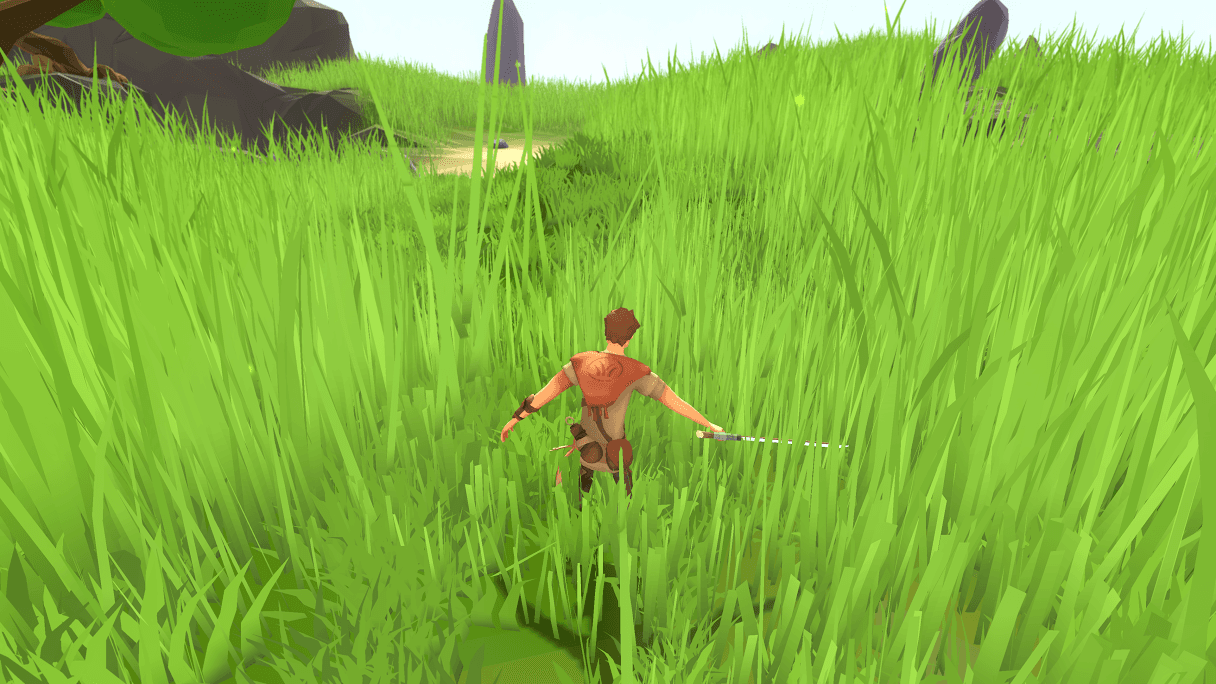
A 2015 student project exploring GPU-driven grass rendering — a custom HLSL shader rendered and cut millions of blades of grass in real time as a 3D character swung a blade through the field.
Grasslands was a 2015 student project exploring how far real-time grass rendering could be pushed with a single HLSL shader in Unity3D. The goal was ambitious for the time: render millions of individual blades of grass on screen, while still letting the player cut through them in real time as they moved a 3D character across the field.
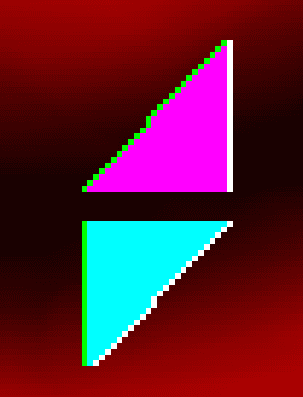
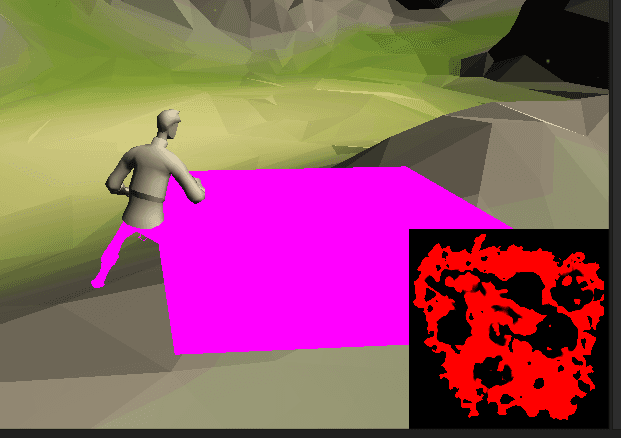
The trick was to describe every blade of grass with a texture instead of tracking it as a separate object. Each pixel of a control texture packed three pieces of information into its colour channels: the red channel stored the blade's height position (from -1 to 1), the blue channel stored the height of the blade itself, and the green channel recorded where — and at what height — the player's blade had swung through the grass. The HLSL shader read all three channels per blade and bent, shortened, or hid it accordingly, so a single swing visibly cut a path through the field.
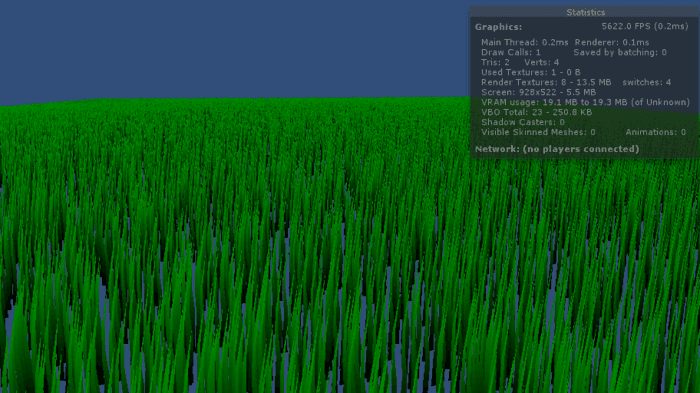
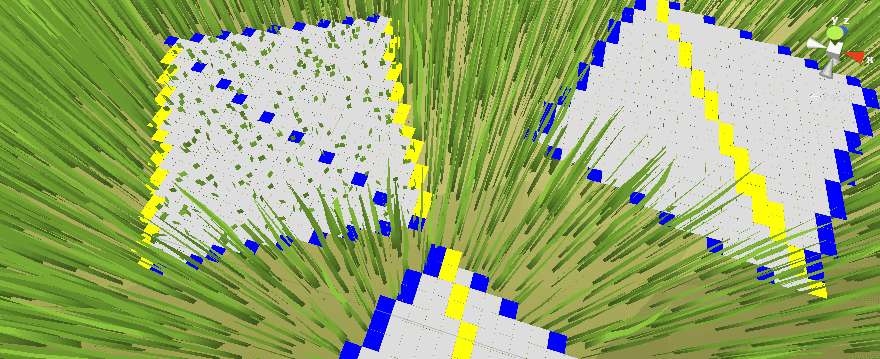
Because every blade was driven by texture data rather than individual game objects, the shader could render enormous amounts of grass for very little cost — one debug capture shows the field running at over 5,600 FPS with a single draw call. Debug builds also visualised the control texture directly in-engine, overlaying its pixel grid on top of the rendered grass, to check exactly where each splatmap pixel landed and how large it was relative to the blades it controlled.